The Ultimate Golf Tee Guide: Wood vs. Plastic and Proper Tee Height
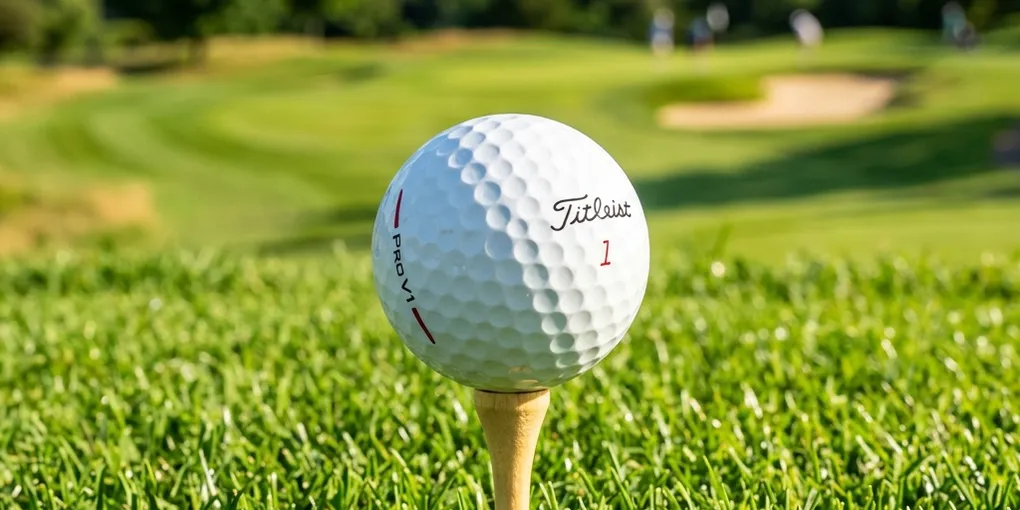
Golf tees are the smallest and cheapest piece of equipment in your bag, yet they are responsible for setting up the most critical shots of your round. Despite this, the vast majority of beginner golfers tee the ball up incorrectly, leading to topped shots, sky balls, and massive losses in distance.
In this ultimate guide, we are going to settle the great “Wood vs. Plastic” debate, and teach you the exact, foolproof heights you should be teeing the ball up for every single club in your bag.
The Great Debate: Wood vs. Plastic Tees
When you walk into a golf shop, you will primarily see two types of tees: traditional wooden tees and modern plastic tees. Which one should you buy?
Plastic Tees: The biggest advantage of plastic tees is durability. A single thick plastic tee can often last an entire 18-hole round without breaking, which gives you incredible consistency. They also come in a variety of pre-marked sizes, making it easy to tee the ball up to the exact same height every time. However, their major drawback is their environmental footprint; when you lose a plastic tee in the rough, it will sit there for hundreds of years.
Wooden Tees: Wooden tees (typically made from bamboo or hardwood) offer the traditional aesthetic and feel that golf purists love. Many players believe that wooden tees offer a slightly cleaner strike through the ball. Most importantly, they are 100% biodegradable. When a wooden tee inevitably snaps, you can simply leave the broken pieces in the grass without harming the environment.
NOTE
Our Recommendation: Because beginners tend to break a lot of tees, we highly recommend buying a bulk bag of environmentally friendly wooden bamboo tees. They are cheap, reliable, and better for the course. Make sure to keep plenty stocked alongside your other Golf Bag Essentials.
The Perfect Tee Height for Every Club
The biggest mistake beginners make is teeing the ball at the exact same height regardless of which club they are holding. Here is the golden rule for each type of club:
1. The Driver (The “Half-Ball” Rule)
When you are hitting your driver (if you need help picking one, check out our Best Golf Clubs for Beginners guide), you want to strike the ball on an upward angle (an ascending blow) to maximize distance and reduce spin.
- The Height: Push the tee into the ground until exactly one-half of the golf ball is sitting above the top edge (the crown) of your driver head.
- If you tee it any lower, you risk hitting down on the ball and losing massive distance.
2. Fairway Woods and Hybrids (The “Finger” Rule)
Unlike the driver, when you hit a fairway wood (like a 3-wood or 5-wood), you are looking to make a shallow, sweeping “brush stroke” across the top of the grass.
- The Height: Hold the tee between your index and middle fingers. Push the tee into the earth until your fingers touch the dirt.
- The ball should be sitting just barely above the blades of grass, allowing your club to sweep it cleanly without digging a massive divot.
3. Irons and Wedges (The Jack Nicklaus Rule)
A common question on short Par 3s (if you are confused by that term, check our Golf Slang Explained guide) is: “Should I even use a tee when hitting an iron?”
Legendary golfer Jack Nicklaus famously said, “If you can use a tee, use it.” Why? Because a tee guarantees a perfect lie and prevents random blades of grass or dirt from getting trapped between your clubface and the ball, which kills your spin and distance.
WARNING
The High Tee Trap The biggest mistake beginners make on Par 3s is teeing their iron shots up like a driver! If the tee is too high, you will strike the ball high on the clubface, causing it to pop straight up in the air and fall 30 yards short.
- The Height: Push the tee almost entirely into the earth. The top of the tee should be almost completely flush with the dirt, so the ball appears as if it is resting perfectly on top of the grass. You should still take a normal divot when you swing!
By matching your tee material to your values and your tee height to your club, you will instantly eliminate one of the biggest hidden variables in the beginner golf swing!